
Planning & Budget
How to Compare a Minnesota Framing Estimate
Compare Minnesota framing estimates by scope, materials, engineering, access and exclusions. Know which questions to ask before choosing a bid.
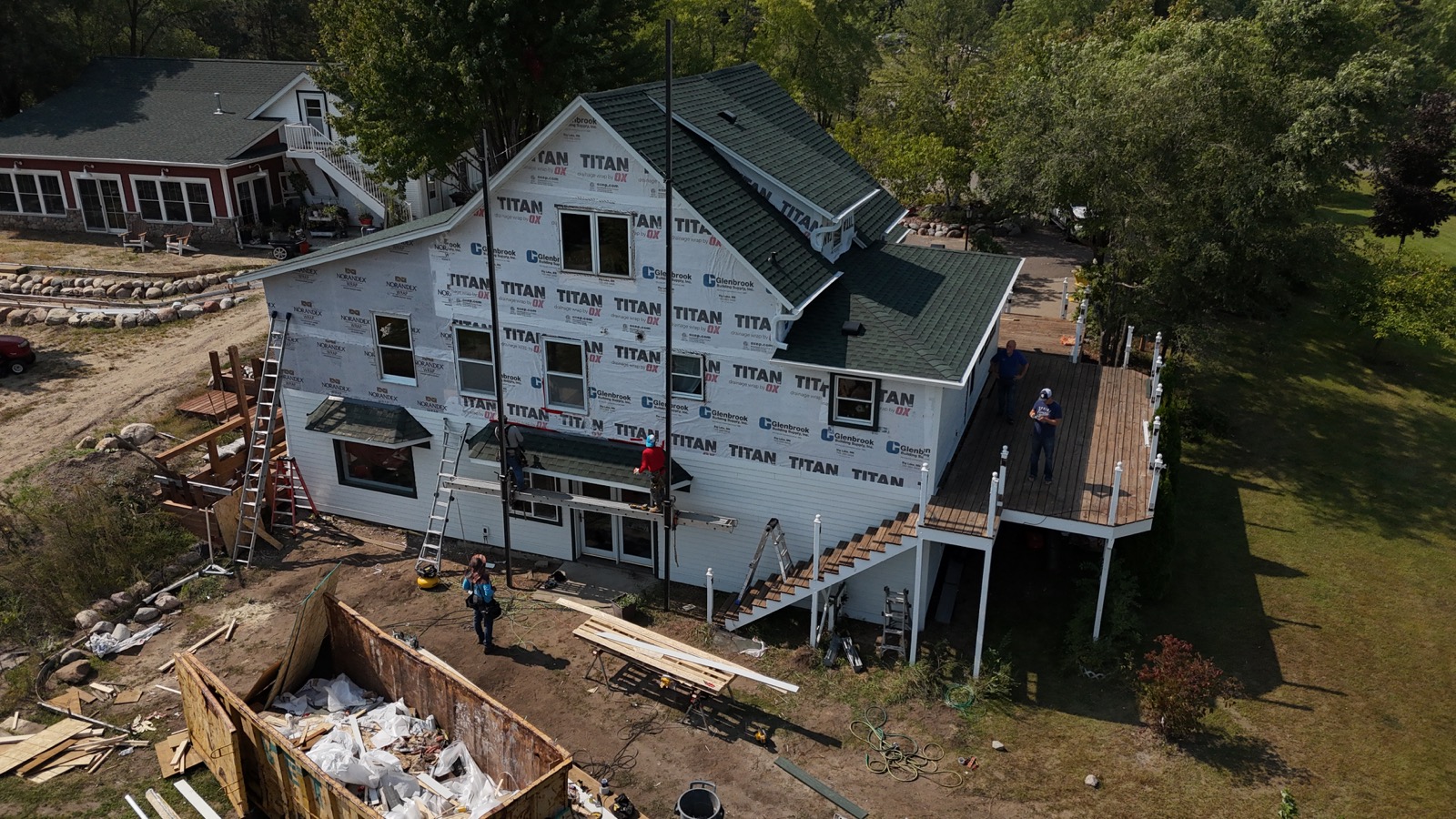
A framing estimate can look wonderfully simple: a description, a number, and a place to sign. The trouble usually lives between those lines. One proposal may cover labor only. Another may include the lumber package, sheathing and lifting equipment. Comparing their totals without reading the scope is like comparing a pickup with a set of tires. Both belong on a jobsite. They are not the same purchase.
For a Minnesota home or addition, start by getting every bidder to price the same version of the project. Then look at the cost.
Give every bidder the same starting point
Send one coordinated set of drawings, identified by date or revision. Include structural details already available, the project address, intended use, and any written specifications. Flag items that are still undecided. An estimate based on a concept sketch should say so; it cannot carry the same certainty as a price based on a complete design.
Describe the site honestly. A steep drive, limited staging area, occupied house or difficult equipment access can affect the work. So can a remodel that requires materials to move through finished space. Photos help explain conditions, but they do not replace a site visit when the work depends on what is already there.
Do not hide the awkward parts to get a lower number. They have an excellent habit of showing up later.
Separate labor, materials and shared responsibilities
Ask what the framing price actually buys. Useful headings include:
- Floor, wall and roof framing, listed separately where practical.
- Lumber, engineered members, trusses and structural panels.
- Connectors, specified fasteners and other structural hardware.
- Delivery, unloading and lifting equipment.
- Temporary protection, cleanup and debris handling.
- Work associated with inspection corrections and project closeout.
These are comparison categories, not a promise that every framing contract includes every item. Window installation, roofing, insulation, demolition and foundation work may belong to other trades. The important part is knowing who has them.
Minnesota DLI’s consumer guidance emphasizes detailed written work descriptions, material descriptions and a clear price basis. A useful proposal makes that advice visible on the page instead of asking you to remember a conversation beside the lumber pile.
Find the assumptions before they become surprises
Look for allowances, exclusions and qualifications. An allowance is an amount carried for an unresolved item; ask what it covers and how a difference will be handled. An exclusion leaves work out of the price. Neither is automatically a red flag. Unexplained ones are.
For remodeling, ask how concealed conditions will be handled. Does the estimate assume the existing framing is sound? Who investigates a questionable beam or foundation? Who authorizes extra work if demolition reveals damage? A contractor cannot responsibly promise that every closed wall contains exactly what the drawing suggests.
Also ask whether the material selections are fixed. A substitution should preserve the design requirements and follow the project’s approval process. A product that appears similar in a yard is not automatically interchangeable in a structural assembly.
Ask what changes the number
Useful questions are specific: How long is the proposal valid? What has to be decided before ordering? What happens if the plans change? Which costs depend on equipment access or other contractors being ready? How are credits handled when work is removed?
A price per square foot can help with an early conversation, but it does not explain a complete scope. Two homes with similar floor areas can have very different roof shapes, openings, wall heights and structural demands. Ask the bidder to identify the features doing the most work in the budget. That creates a better design conversation than asking for an unexplained discount.
Your comparison checklist
Before choosing, put the proposals side by side and confirm:
- Same drawings, revision and project assumptions.
- Same included materials and installation responsibilities.
- Named exclusions and unresolved allowances.
- Clear payment milestones and change process.
- Schedule assumptions, not just a hopeful start date.
- The credentials and insurance appropriate to each contractor’s role.
Then ask each bidder to clarify the gaps in writing. The goal is not to make every price identical. It is to understand what each price means. A well-explained estimate gives you something useful to manage. A low number with a foggy scope mostly gives the fog a head start.
Sources behind this guide
- Minnesota Department of Labor and Industry, Tips for hiring a contractor.
- APA, Engineered Wood Construction Guide, Form E30X, revised December 2019 (edition consulted).