
Lumber & Materials
Before the Mill: Where Framing Lumber Begins
Follow framing lumber from forest management to sawlogs, and learn how Minnesota customers can ask better questions about origin and certification.
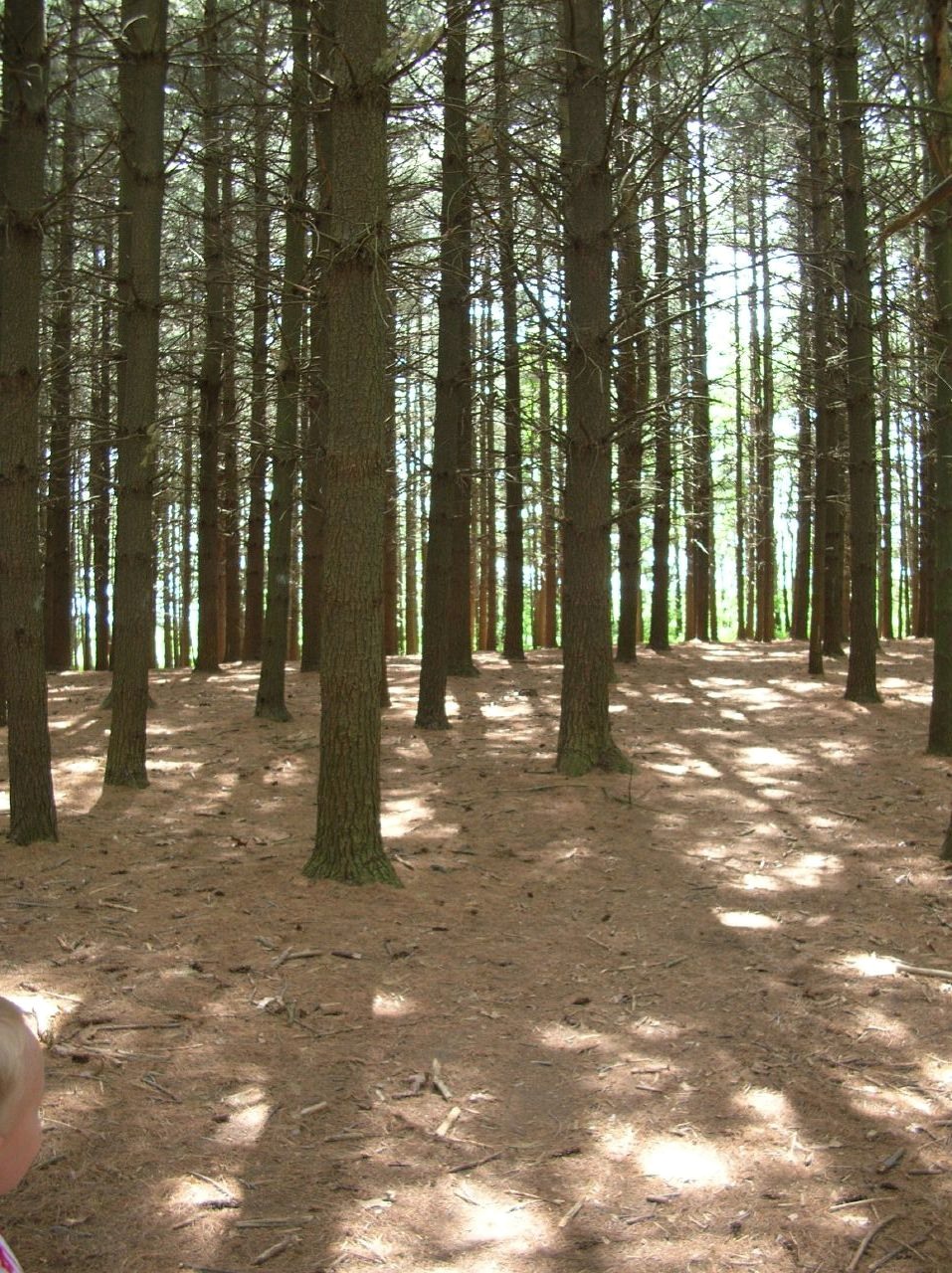
The lumber in a framed wall has already had a working life before the first nail goes in. It began as a tree, passed through a harvest and transport system, and reached a mill that could turn it into a useful product.
That journey matters to customers asking where their materials come from. It also deserves an honest explanation. A Minnesota building address does not prove that its framing lumber grew in Minnesota, and a photograph of a handsome forest does not establish the source of a delivered lumber package.
First comes a land-management decision
Forests have different owners, conditions and objectives. A public forest, a family woodland and a commercial timber property may operate under different plans and requirements. Trees can be managed for timber alongside other objectives, including habitat, water protection and long-term forest health.
The harvest approach depends on the site and its goals. Some stands may be thinned; others may receive a harvest intended to establish a new generation of trees. Some areas may be reserved rather than harvested. There is no single cutting pattern that tells the entire management story.
Minnesota DNR’s stand-management guidance connects harvest planning with regeneration. Depending on the species and site, renewal can involve natural regeneration, planting or other appropriate methods. “Trees grow back” is the start of a question, not a substitute for a plan.
Planning includes what stays behind
A harvest plan concerns more than the trees going to market. Access routes, soil conditions, nearby water, habitat and cultural resources can influence the work.
Minnesota’s Forest Resources Council publishes voluntary site-level management guidelines addressing these concerns. Its current published edition is 2025. Those guidelines explain important practices, but their existence alone does not prove that a particular shipment came from a site where every practice was followed.
For a customer evaluating an environmental claim, that distinction is useful. Ask what standard or documented procurement requirement supports the claim, rather than relying on a broad description such as “responsibly harvested.” Good documentation should explain what was actually verified.
Trees become logs, then enter a supply network
During harvesting, selected trees are processed into material suitable for transport and their intended markets. Logs destined for lumber are commonly called sawlogs. They move through a network that can include landowners, logging contractors, transport companies, log suppliers and mills.
Not every tree becomes framing lumber. Species, log condition and the receiving facility’s requirements help determine where material can be used. A forest-products operation may supply several markets rather than sending everything to one sawmill.
The route also need not be a direct trip from one identifiable forest to one customer’s house. Materials can pass through multiple businesses before finished lumber reaches a supplier. That is why a credible origin story needs records connecting the claim to the product, not merely the location of the lumberyard.
Species and grade answer a different question
When lumber reaches the structural-material stage, its species or species group and grade help describe the product being supplied. The American Softwood Lumber Standard, PS 20-25, establishes the framework for standardized lumber sizes, grading and grade marking.
A grade mark can identify information such as the mill, grading agency, species designation and grade. It is not, by itself, proof of a specific forest of origin or a forest-management certification.
Keep those questions separate when comparing materials: does the product meet the structural specification, and what evidence supports its sourcing claims? A documented answer to one does not automatically answer the other.
Certification requires a precise claim
Forest-management certification and chain-of-custody certification address different parts of the journey. Chain-of-custody systems govern how eligible material and product claims are handled through participating businesses.
For example, FSC has distinct claim categories and permits certain mixtures under its rules. A general statement that a business handles certified products does not establish the claim for every item it sells. Ask which certification claim applies to the proposed material and what documentation will accompany the order.
If a sourcing preference matters to your project, raise it before purchasing. Define whether you mean a particular certification, a documented region of origin or another measurable requirement. Ask what is available, what can be verified and how substitutions will be handled.
Bring five questions to the material discussion
- What lumber species or species groups and grades do the plans require?
- What origin information can the supplier document for the proposed products?
- If certification is requested, what exact claim and records will be provided?
- Who checks a substitution against both structural and sourcing requirements?
- Which records should stay with the completed project?
A useful tree-to-frame story is specific about what is known and honest about what is not. The forest is the beginning. The paperwork helps keep the story attached to the wood as it travels.
Sources behind this guide
- Minnesota DNR: Forest Stand Management — Living agency guidance accessed October 26, 2026
- Minnesota Forest Resources Council: Forest Management Guidelines — Official overview identifies Sustaining Minnesota Forest Resources: Voluntary Site-Level Forest Management Guidelines (2025)
- USDA Forest Service: Advanced Supply Chain Engineering to Support Fuels Treatments and Forest Restoration — Living agency research overview accessed October 26, 2026
- USDA Forest Service: Science You Can Use Bulletin, Issue 53 — March/April 2022, Issue 53
- NIST: American Softwood Lumber Standard, PS 20-25 — January 2025; supersedes PS 20-20 Revision 1
- Forest Stewardship Council: Chain of Custody Certification — Living program overview accessed October 26, 2026