
Planning & Budget
From Mill to Jobsite: Before the Lumber Truck Arrives
Follow lumber from packaging to jobsite delivery. Learn what to ask about load checks, unloading, storage, weather protection and site readiness.
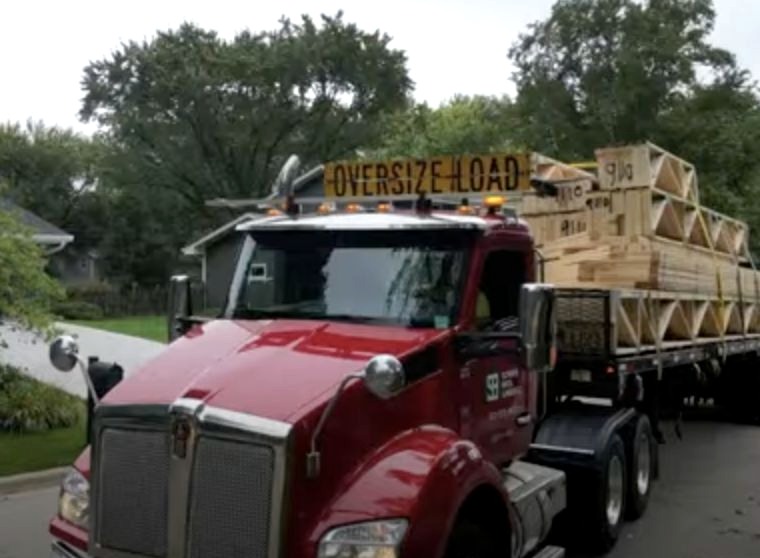
The lumber truck is one of the most visible arrivals on a building project. Before it backs into the picture, somebody has had to match materials to an order, assemble the load, protect it and arrange a place to put it. A truck can bring lumber. It cannot bring extra room in the driveway.
This stage of the tree-to-frame journey is about preserving the right material and getting it to the right place at the right time. The route can include a mill, distributor and local supplier; it varies by product and purchase arrangement. A delivery to a Minnesota jobsite does not, by itself, tell you where the trees grew.
Packaging keeps the order together and the product protected
Lumber, structural panels and engineered members need packaging and handling appropriate to the product. Bundles help organize material, while labels and product markings help the receiving team identify what has arrived. Protective wrap or covers reduce exposure during transport and storage, but their condition still matters.
Think of packaging as part of the protection system rather than proof that everything inside is dry and undamaged. Torn wrap, standing water or a visibly damaged bundle deserves attention. The receiving crew should follow the supplier’s process for documenting concerns and deciding what needs closer inspection.
For the customer, the useful question is simple: who checks the order and its condition when it changes hands? That responsibility should not disappear between the supplier, delivery operator and builder.
A house package needs a plan, not just a pile
The supplier and builder coordinate the order with the current drawings and specifications. A material list must reflect the actual structural products required, not merely boards that look close enough. Changes made after ordering need to reach the people assembling the delivery.
Ask whether material will arrive together or in stages, and what each delivery is intended to support. There is no universally correct number of loads. Site space, product availability and construction sequence all influence the plan.
Engineered-product packages may also need their layouts and installation information available to the crew. Keeping documents connected to the material reduces the chance that a clearly labeled component becomes a mystery once its bundle is opened.
Transportation is part of material care
Protection continues on the road. APA’s panel-handling guidance calls for attention to panel edges and ends and protection during open-truck transport. Packaging should arrive in a condition that still allows the product to be protected until use.
Handling requirements differ between products. Long engineered members and panel bundles need equipment and support suited to their size, weight and manufacturer instructions. Customers do not need to work out a loading pattern or operate unloading equipment. The practical step is confirming that the supplier and contractor have agreed on the delivery method before the vehicle arrives.
Do not assume that a space suitable for a pickup is suitable for the delivery equipment. Access needs should be assessed by the people responsible for the operation.
Prepare the landing spot before delivery day
A usable staging area needs more than an empty patch beside the foundation. Discuss access, unloading space, ground conditions and where material can remain protected without blocking the next operation.
Tell the contractor about gates, steep approaches, tight turns, shared driveways and areas you need kept available. Ask who will confirm the route, handle any necessary access arrangements and communicate changes to the supplier. Keep children, pets and visitors away from unloading activity; let the delivery crew control its work area.
Minnesota weather can change that plan. Snow, ice, rain and soft ground can affect access and handling. If the site is not ready, discuss rescheduling or an approved alternative rather than leaving the driver to invent a storage location. An early load is not automatically an advantage when there is nowhere suitable to keep it.
Check the load before it becomes part of the house
The receiving team should compare the delivered material with the order and delivery paperwork, confirm relevant labels or product markings, and record shortages, substitutions or visible damage. Weyerhaeuser’s handling guidance specifically emphasizes checking deliveries and matching labels with product stamps.
Ask how discrepancies are reported and who authorizes a resolution. Check a structural-product replacement against the design and obtain any required approvals before installation. Finding a mismatch before installation is far easier to manage than discovering it after other work has covered it.
A delivery receipt records a handoff. It does not replace inspection of the material as bundles are opened or confirmation that the product suits its intended location.
Protection continues after the truck leaves
Stored materials need suitable support, separation from ground moisture and protection that allows appropriate airflow. APA cautions against trapping moisture beneath tightly enclosed covers. Product-specific instructions govern the actual stacking and handling arrangement; one generic stack detail will not suit every item on the order.
Before delivery, settle five questions: who receives it, where it goes, how it stays protected, who handles a discrepancy and when it will be used. If framing is delayed, revisit the protection plan. Good delivery coordination keeps the work moving without asking the lumber to spend its waiting time in a puddle.
Sources behind this guide
- APA, Builder Tips: Storage and Handling of APA Trademarked Panels, Form U450, revised May 2013.
- Weyerhaeuser, Best Practices for Product Storage & Handling, TJ-1512, March 2023.
- Weyerhaeuser, How to Properly Store & Handle Trus Joist Engineered Wood Products, September 11, 2013.